Debbie Danto · September 20, 2026
Broward’s convention, cruise, cargo and tourism investments are converging. Here is what that growth can mean for businesses planning a South Florida location, expansion or renovation.
For more than four decades, Danto Builders has had a front-row seat to South Florida’s growth.
Our owners, Craig and Debbie Danto, have watched new infrastructure reshape neighborhoods, create business corridors, attract investment and change what companies need from the spaces they occupy. During that time, Danto Builders has completed ground-up construction and renovations for restaurants, healthcare facilities, marine and aviation businesses, commercial properties and other projects throughout Broward, Miami-Dade and Palm Beach counties.
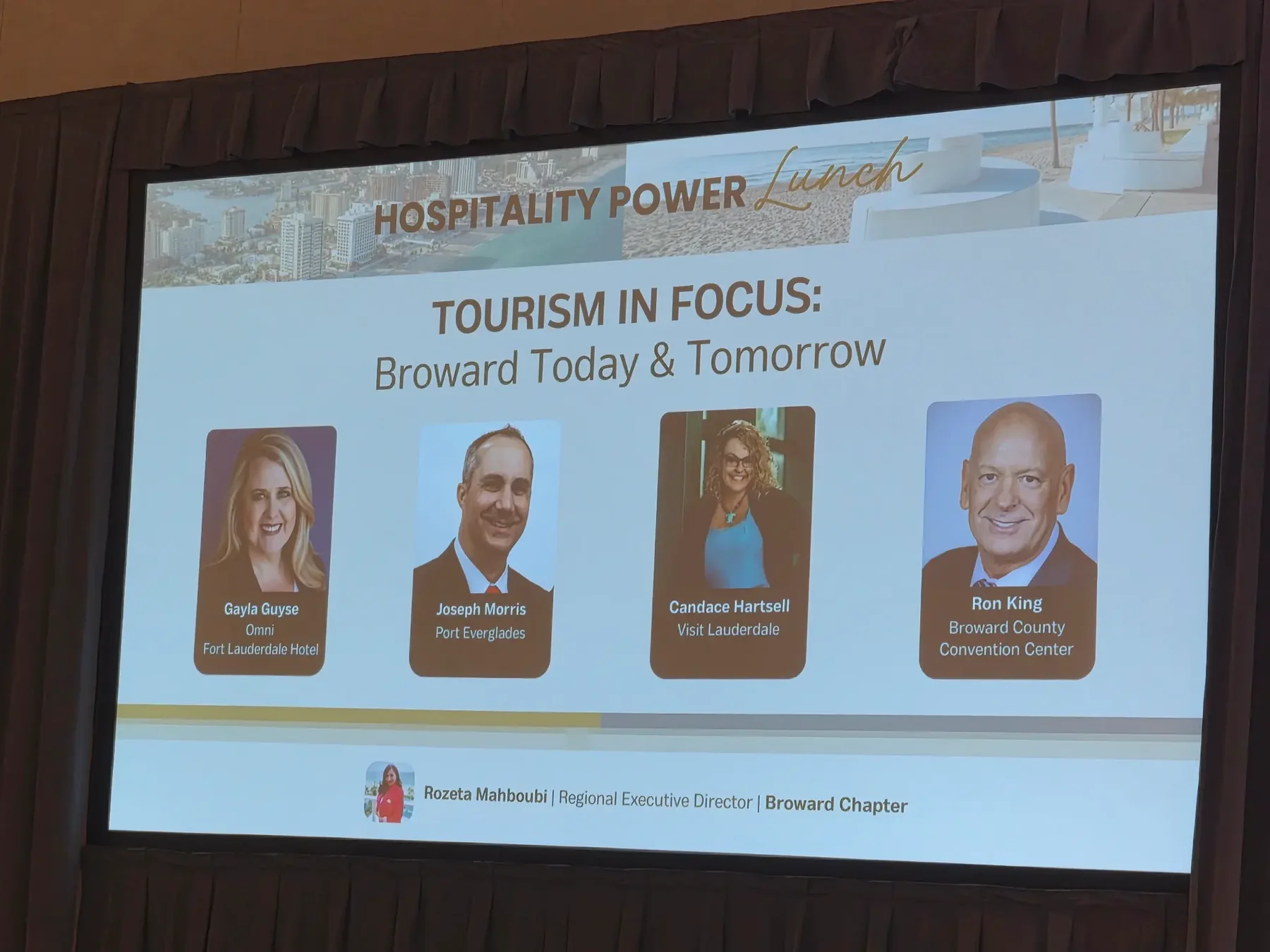
That perspective made the recent FRLA Hospitality Power Lunch · Tourism in Focus: Broward Today & Tomorrow luncheon especially significant.
Debbie serves on the FRLA Broward Board and Events Committee, and the event brought together leaders representing some of the region’s most important tourism and economic assets, including the Omni Fort Lauderdale, Port Everglades, Visit Lauderdale and Fort Lauderdale-Hollywood International Airport. The discussion centered on regional growth, tourism and what is coming next.
One of the presentations described Broward as entering a “Renaissance Era.” It is a fitting description.
This is about much more than tourists coming to Fort Lauderdale. Major investments in convention facilities, hospitality, cruise, cargo, transportation and redevelopment are converging at the same time. The visitors, conventions, ships and businesses those investments were designed to attract are already coming.
For local businesses and for companies considering an expansion into South Florida, that deserves attention.
What Broward’s “Renaissance Era” Looks Like
The presentation characterized this next chapter through several changes happening simultaneously: an expanded Convention Center, a new headquarters hotel, increasing cruise volume, easier airport access, larger corporate conventions, new restaurants and attractions, and continued renovation and redevelopment throughout the region.
What makes this particularly important is how interconnected these investments are becoming.
A larger convention center creates demand for hotel rooms. More hotel and convention guests create demand for restaurants, entertainment, transportation and services. Cruise traffic supports hospitality before and after a sailing. Port cargo supports importers, exporters, distributors and logistics companies. Airport access supports all of them.
The businesses that serve those people and companies then need places to operate, expand, entertain customers, store products and serve employees. That is how infrastructure can begin to reshape an entire market.
Broward Can Now Compete for a Different Level of Convention Business
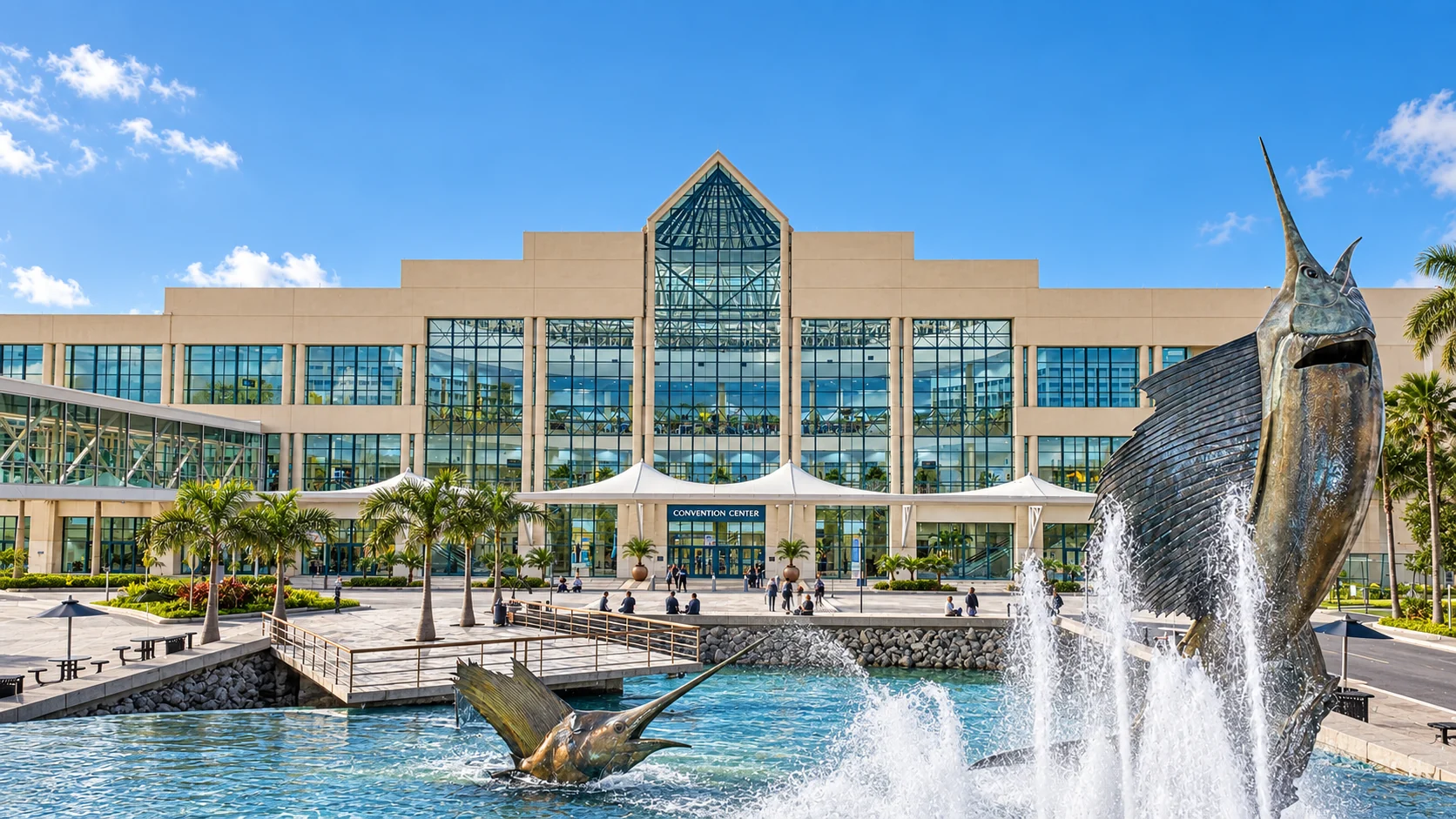
The expanded Broward County Convention Center is one of the clearest examples of that transformation. At Tourism in Focus, the facility was described as one of the 10 largest convention centers in the United States. Omni Hotels separately describes it as the largest convention facility in the Southeast.
Broward County’s $1.1 billion Convention Center and headquarters-hotel initiative has produced a facility of more than 1.2 million square feet, including a 350,000-square-foot contiguous exhibition hall and a 65,000-square-foot waterfront ballroom.
The numbers presented at Tourism in Focus indicate that the investment is already translating into activity. The presentation reported 145 events in 2025 and more than 180 in 2026, approximately a 24% increase year over year. It also reported that the Convention Center has moved from a $7 million deficit in 2024 toward a projected break-even fiscal year in 2026.
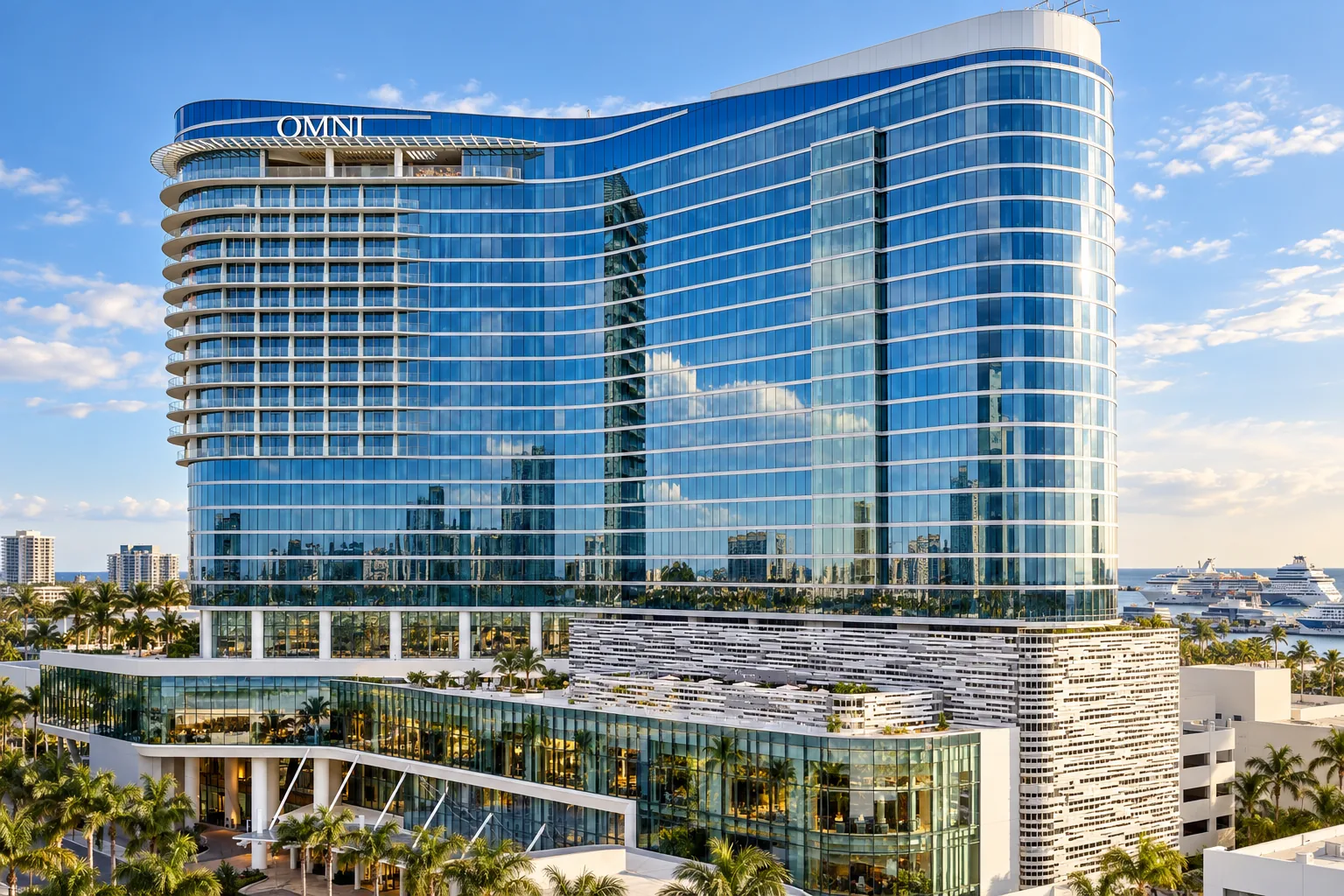
Then there is the new Omni Fort Lauderdale. The 29-story hotel has 801 guest rooms, including 82 suites, and more than 120,000 square feet of meeting and event space. It is directly connected to the Convention Center, allowing the hotel and convention facilities to work together across multiple levels.
For meeting planners, that creates a very different proposition than a convention center operating without an integrated headquarters hotel. For Broward, it expands the size and type of business the region can pursue.
And they are coming. At the luncheon, Visit Lauderdale discussed future convention opportunities including NCBA 2031, a potential booking that could involve 35 hotels and more than 20,000 room nights. That is not simply 20,000 hotel stays. Those attendees need restaurants, transportation, entertainment, meeting space, local vendors, professional services and places to conduct business. That economic activity spreads well beyond the Convention Center walls.
Hospitality Is Changing Along With the Buildings
The Omni presentation also offered an important look at where hospitality itself is heading. Topics included AI and automation, smart rooms and meeting environments, personalized guest experiences, wellness, food and beverage, sustainability and a shift from simply offering traditional luxury toward creating distinctive value for each guest.
The presentation included examples of using AI to personalize stays around individual guest preferences. That is important for anyone building or renovating hospitality space. The physical environment now has to support technology, personalization, operational efficiency and changing customer expectations in ways that were not part of the construction conversation 10 or 20 years ago.
At Danto Builders, we are experiencing that evolution ourselves. We are integrating AI into different areas of our business to improve efficiency, strengthen our processes, enhance service and ultimately provide a better experience for our clients.
Technology does not replace the fundamentals of good construction, experienced project management or strong relationships. It gives us additional tools to do those things better. The same principle applies to hospitality owners.
The question is increasingly not simply, “What does this hotel or restaurant need today?” It is, “How will this business operate five years from now, and is the space being designed to support that?”
Port Everglades: Cruise Is Only One Part of the Story
One of the most important takeaways from Tourism in Focus was the scale and diversity of Port Everglades. The port is simultaneously a cruise gateway, cargo hub and energy center. That combination has enormous implications for Broward.
Record Cruise Activity
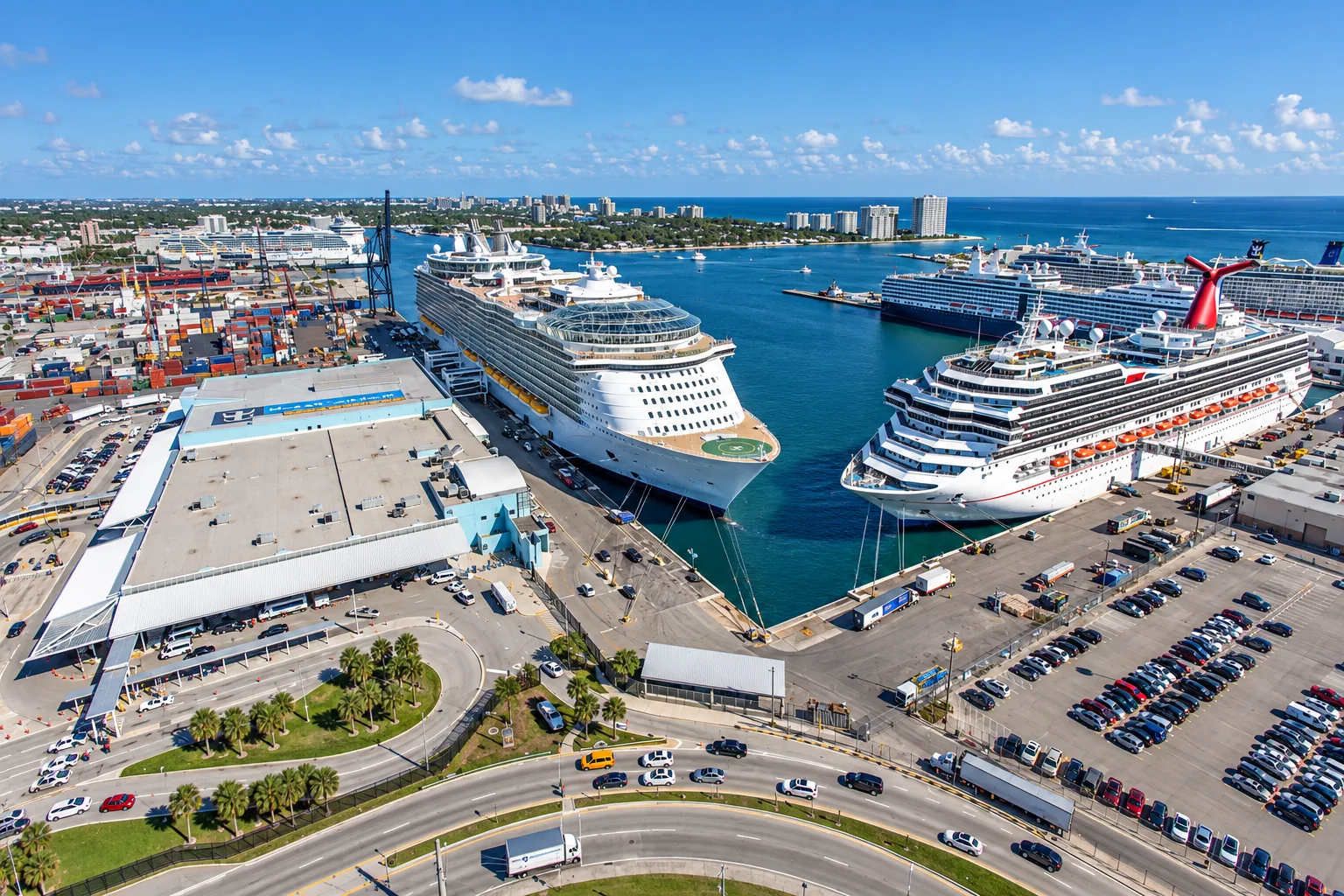
Port Everglades welcomed approximately 4.77 million cruise guests in fiscal year 2025, a 16% increase from the previous year and its third consecutive annual passenger record. That performance solidified its position as the third-busiest cruise homeport in the world. Port officials entered fiscal year 2026 expecting an even larger passenger count.
Another milestone is coming. Royal Caribbean’s Legend of the Seas, the cruise line’s third Icon-class vessel, is scheduled to begin sailing from Port Everglades in November 2026. With capacity for more than 5,600 guests, it will be the largest cruise ship ever to sail from Port Everglades.
Preparing for ships and passenger volumes of that magnitude requires investment not only at the port but throughout the surrounding market. Visitors arrive before cruises and stay afterward. They use hotels, restaurants, transportation, entertainment and retail. Growth at the cruise terminal creates opportunities far beyond the cruise terminal.
A Major Gateway for International Trade
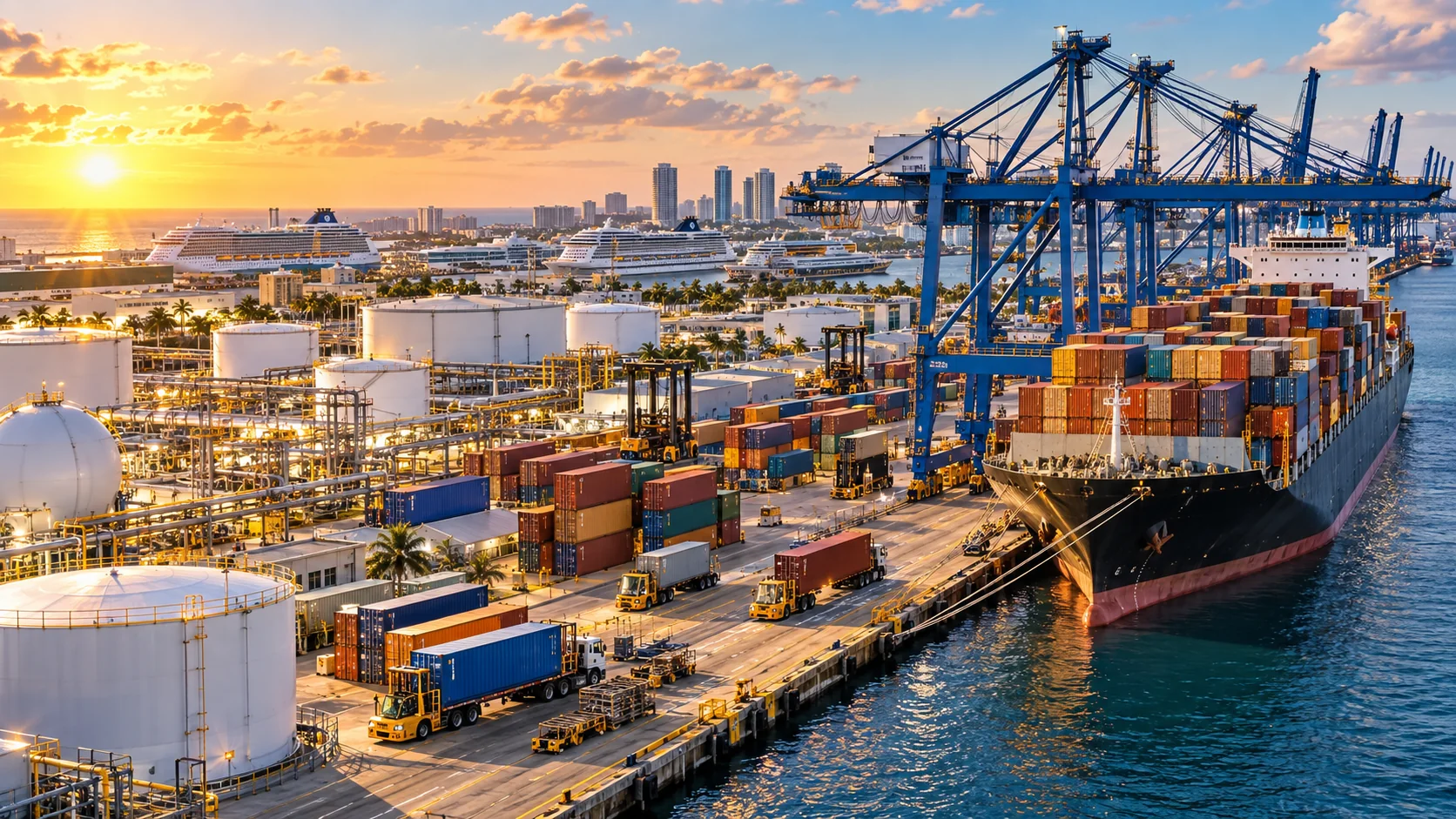
Cargo tells another important story. Port Everglades handled a record 1.167 million TEUs of container cargo in fiscal year 2025 and has 26 container services focused primarily on trade with Latin America and the Caribbean.
Its 2026 Facilities Guide identifies Port Everglades as the second-leading U.S. port for trade with Latin America and the nation’s leading port for trade with Central America.
One of the slides cited Port Everglades as #9 in North America for container-port performance and within the top quarter of ports worldwide. The port’s newer 2026 Facilities Guide shows that ranking has since improved: Port Everglades now reports being in the top 20% of container ports worldwide, #3 in the United States and Canada, and #1 in Florida under the latest Container Port Performance Index referenced by the port.
For companies involved in importing, exporting, food and beverage, distribution, manufacturing or international trade, that connectivity can be a significant consideration when evaluating a South Florida location. Port Everglades also operates Foreign-Trade Zone No. 25, where qualified businesses can benefit from mechanisms that may defer, reduce or eliminate certain customs duties while gaining direct access to highways, an international airport and rail connections.
For the right company, those are not minor details. They can influence an entire location strategy.
Florida’s Energy Infrastructure Runs Through Broward
Port Everglades’ energy business may be even less visible to most residents, but its reach is extraordinary. The port moved approximately 131.8 million barrels, or roughly 5.5 billion gallons, of petroleum products in fiscal year 2025, primarily gasoline, diesel and jet fuel. That made Port Everglades Florida’s leading petroleum port.
More importantly, that fuel does not stay in Broward. Port Everglades supplies 12 Florida counties and five international airports.
A recent economic-impact study estimated that Port Everglades generates approximately $48.3 billion in statewide economic activity and supports nearly 300,000 jobs.
That helps explain why the port should matter even to companies that have nothing to do with cruises. It is fundamental economic infrastructure.
Sports Tourism Is Helping Fill Traditionally Slower Seasons
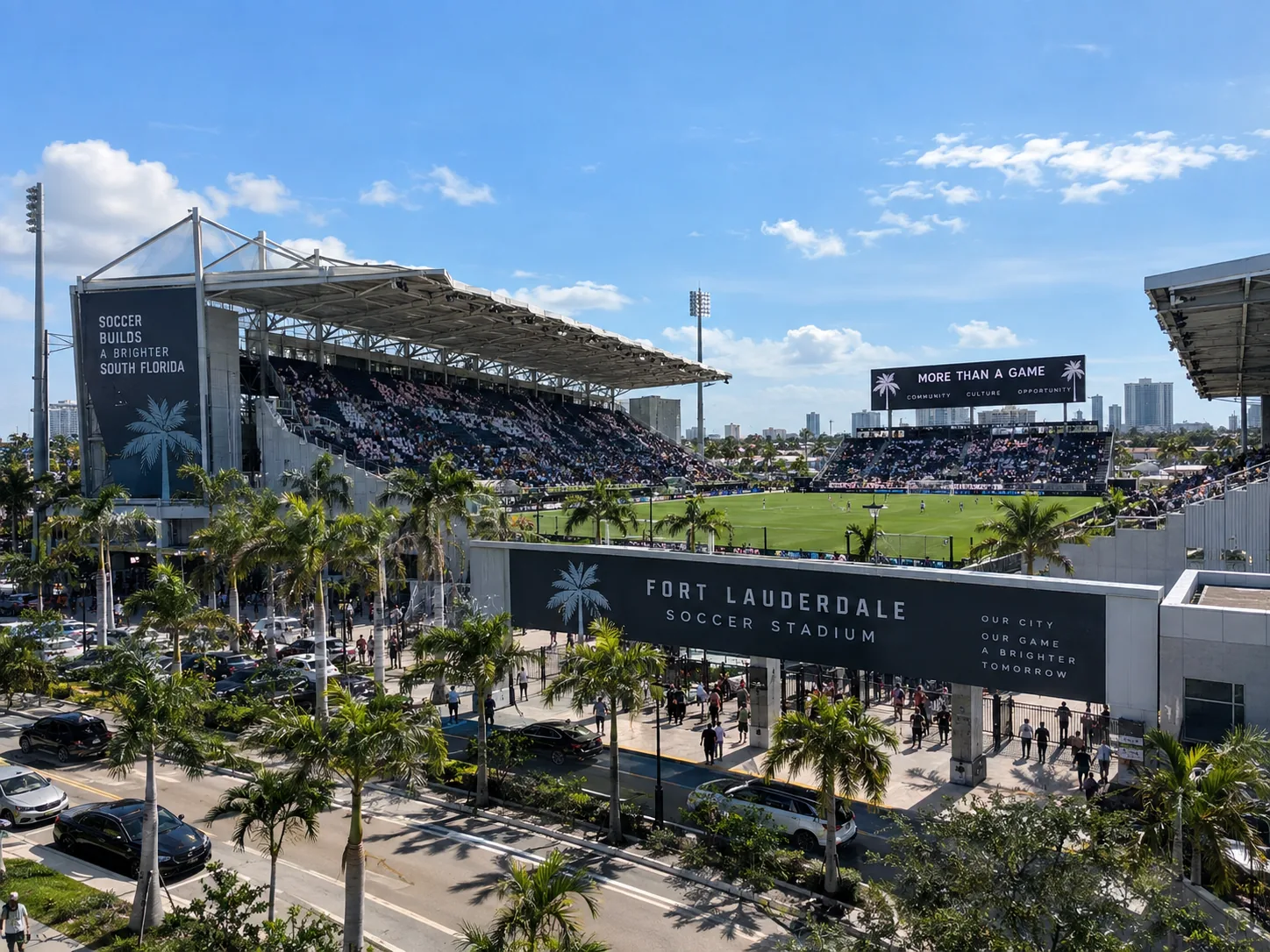
Another important part of the discussion involved sports tourism. The presentation identified sports tourism as a critical strategy for generating activity during what have traditionally been slower periods for South Florida hospitality. Visit Lauderdale reported 112 sporting events in the 2027 pipeline.
That activity matters because sports travel has an unusually broad footprint. Athletes bring coaches, families and supporters. They stay in hotels, eat in restaurants, rent cars, shop and visit attractions. Large events require venues, transportation, catering, temporary infrastructure and local vendors.
The result is another source of demand for businesses that may never think of themselves as tourism businesses. Visit Lauderdale’s broader digital strategy is also evolving. The presentation discussed the “Never Lose Your Splash” campaign and reported approximately 300,000 monthly website users, with 73% accessing the site by mobile. That reinforces another theme of the event: tourism growth increasingly depends on the physical and digital experience working together.
Why This Matters to a Builder
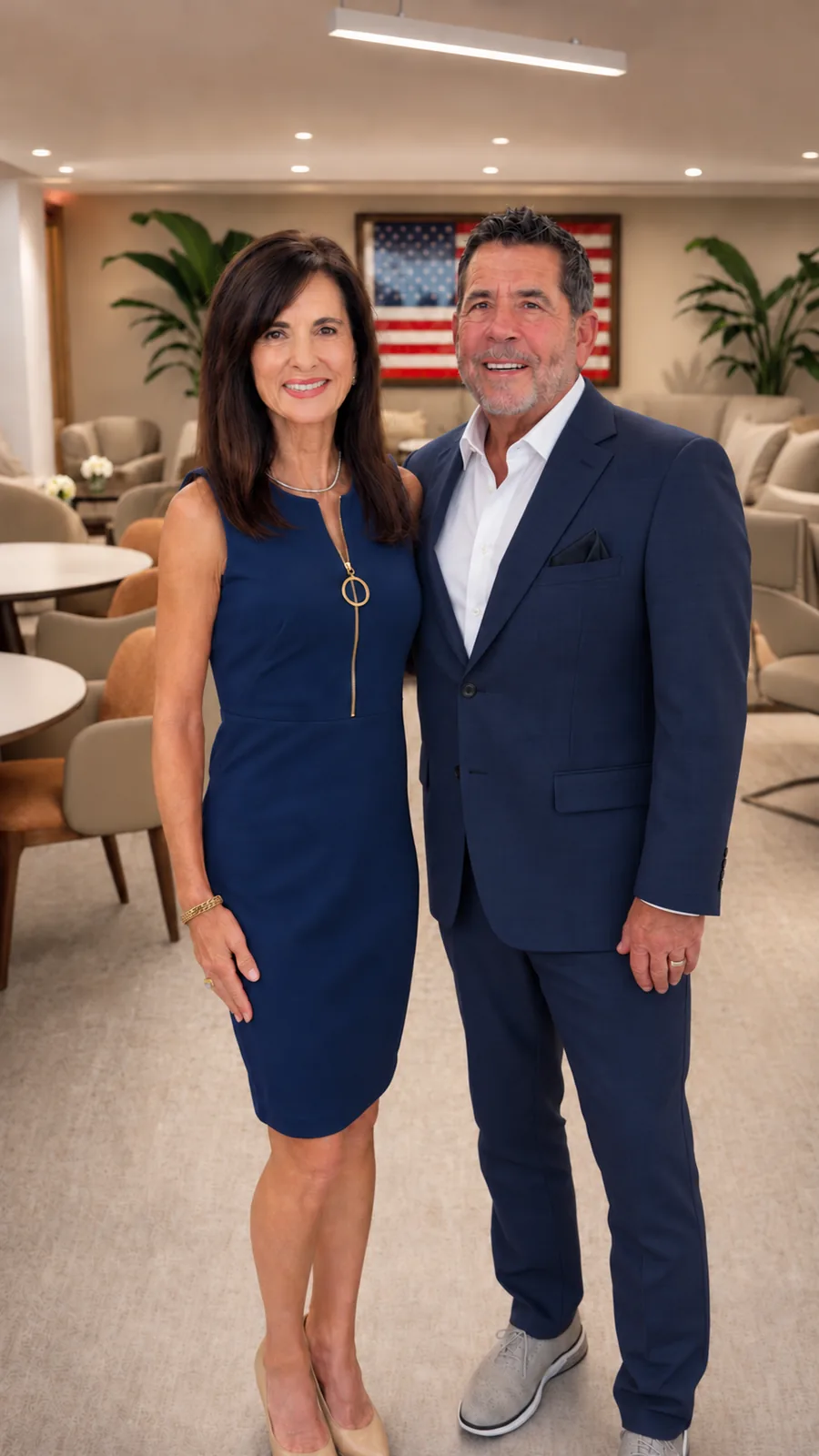
For those of us in construction, these numbers mean something very tangible. Our owners, Craig and Debbie Danto, have spent more than four decades building across South Florida. Their experience includes both ground-up construction and renovations that have allowed existing businesses to modernize, expand capacity, incorporate new technology, reposition older properties and accommodate changing customer or operational needs.
Over those decades, they have watched infrastructure change business patterns firsthand. A new medical facility can create demand around it. A restaurant district can reshape traffic and consumer behavior. Marine and aviation investment creates opportunities for specialized supporting businesses. A convention and tourism district can create those same effects at a much larger scale.
Debbie’s role on the FRLA Broward Board and Events Committee also gives her a close view of the hospitality and tourism issues affecting many of the companies Danto Builders serves. That is why this conversation matters to us. We are not looking at tourism simply as visitor counts. We are looking at what those visitors, conventions, ships and businesses require once they arrive.
For Companies Looking to Expand Here, “South Florida” Is Not One Location
There is another side of this story that matters particularly to companies outside the region. Once an organization decides it wants a South Florida presence, one of its first major decisions is where.
Miami-Dade, Broward and Palm Beach each offer different advantages depending on the company, customer base, workforce, transportation requirements and type of facility. Even within Broward, one city or submarket may make considerably more sense than another.
A company dependent on international cargo may prioritize access to Port Everglades, highways or rail. An aviation business may place greater weight on airport proximity. A restaurant or hospitality concept may look closely at hotels, visitor patterns, convention traffic and surrounding development. A healthcare provider may make a very different location decision based on demographics, referral patterns and accessibility. An industrial user may prioritize loading, power, clear height, yard space and truck access over visibility.
Choosing the city, and often the specific corridor, can be as important as choosing the building.
Before You Sign the Lease or Buy the Property
This is where companies can save themselves significant time and money. Before committing to a site, businesses should understand not only what a property costs but what it will take to make that property work.
Before you commit
Property due-diligence checklist
Use this list to frame the construction questions that should be answered before a lease is signed or a property is purchased.
- Is the city and location right for our customers, employees and vendors?
- How important is access to Port Everglades, FLL, major highways, rail or the Convention Center?
- Does the existing building support our electrical, HVAC, plumbing, data, kitchen or equipment requirements?
- Will parking support our real operating needs?
- What do zoning and permitting allow?
- Will a change of use trigger additional code, accessibility or life-safety requirements?
- Can the building accommodate future growth?
- Will renovation make more financial sense than ground-up construction?
- What does the realistic construction and permitting timeline look like before we commit?
Those questions are easier, and much less expensive, to answer before a lease is signed or a property is purchased.
Helping Companies Get Established in South Florida
Over the years, Danto Builders has helped many businesses and individuals from outside the area establish themselves in Broward and throughout South Florida. Sometimes that means building a new facility from the ground up. Sometimes it means taking an existing building and transforming it for an entirely new operation.
In other cases, the most valuable work happens before construction begins: helping a client understand whether a property can realistically accommodate what they are trying to accomplish.
Because we build throughout Broward, Miami-Dade and Palm Beach counties, our team understands that there is no single “South Florida construction market.” Cities, sites, permitting environments, existing buildings and infrastructure can differ significantly. For an executive making decisions from another state or another country, having experienced local professionals involved early can make a meaningful difference.
Tourism Development Dollars and the Infrastructure Behind the Growth
The Tourism in Focus discussion also addressed something less visible to visitors but important to understanding how Broward reached this point: Tourism Development Tax funding. FRLA Broward Regional Executive Director Rozeta Mahboubi emphasized the importance of protecting TDT dollars and their role in making major tourism infrastructure investments possible.
Broward County’s FY2026 materials projected approximately $123 million in six-cent Tourist Development Tax revenue, with portions supporting tourism programs and Convention Center-related needs. Tourist Development Tax bonds have also been part of the financing for Convention Center expansion.
Whatever direction future policy discussions take, there is a larger business lesson here. Transformational infrastructure does not happen overnight. It requires long-term planning, investment and coordination. When that public infrastructure succeeds, private investment often follows.
Rising Together
The collective sentiment at Tourism in Focus was one of “rising together.” That may be the best way to describe what is happening.
The Convention Center strengthens the Omni. The Omni strengthens the Convention Center. Fort Lauderdale-Hollywood International Airport brings people into the market. Port Everglades supports cruise, international trade and Florida’s energy infrastructure. Sports and conventions bring demand during different parts of the calendar. Hotels, restaurants, entertainment, transportation companies, professional services and countless local businesses benefit from the activity those assets create.
Increased demand gives companies new reasons to renovate, expand, relocate and build. For Danto Builders, after more than four decades working throughout South Florida, the most interesting part of Broward’s “Renaissance Era” may be that so much of this infrastructure is coming together at the same time.
For businesses already here, the question is whether they are ready to capture the growth. For companies considering South Florida, the question is where they should position themselves to become part of it.
Considering a South Florida Expansion?
If your company is considering opening, relocating or expanding a facility in Broward, Miami-Dade or Palm Beach County, the construction conversation should begin before you commit to a property.
Danto Builders has helped companies and individuals from outside the region get established in South Florida through feasibility discussions, renovations, expansions and ground-up construction. Our team can help you evaluate what your operation needs, what a prospective property may require, and the potential construction considerations before you make a major real estate commitment.
Contact Danto Builders to schedule a confidential consultation and start the conversation. In a market changing this quickly, the right location and the right building strategy can make all the difference.